
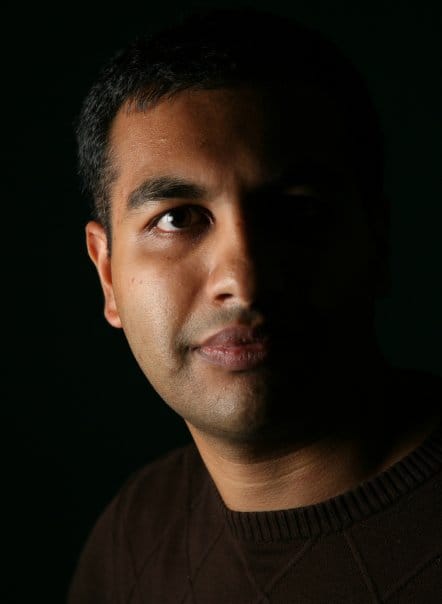
Last week I shared that I would be attending Consensus HK. The day is here! This morning I’m heading to the Convention Centre.
I’ll be honest: I’m not a "crypto native." I don’t trade meme coins, and I’m not going to pretend I can audit a smart contract. I’ve dabbled with coins in the past and helped a founder navigate the Hong Kong VASP regime, but for the most part, I come from the world of traditional banking and corporate law.
I’ve spent my career acting for banks—drafting complex security documents, Shareholders’ Agreements, amending Articles of Association, and structuring cross-border deals.
So, why am I here?
Because the "New World" of DeFi still needs "Old World" plumbing.
As I shift my focus to the borrower and company side, I see a whole world of Web3 founders, tokenized asset platforms, and DeFi protocols. They are on the cutting edge of finance.
But in reality, innovation often hits a brick wall when it meets the rigid structures of traditional finance.
I am attending Consensus today with a "student" mindset, but also with a specific mission: I want to listen to founders and entrepreneurs.
I want to understand your pain points so I can help solve them with years of "bank-side" experience. While I’m here to learn about the technology, my value to you lies in the critical infrastructure that actually makes a business investable.
Here are three specific areas I’m focusing on today:
1. The Governance Gap (Shareholders’ Agreements & Articles) You might have a DAO or a community-led governance model on-chain, but what does your company’s constitution actually say?
- How do we amend your Articles of Association to reflect digital ownership without violating HK company law?
- How do we structure a Shareholders’ Agreement that protects equity investors while respecting the liquidity needs of token holders?
- 👉 My question to founders: Where is the friction between your code and your corporate governance?
2. The Structuring Puzzle (HK vs. Offshore) Hong Kong is re-establishing itself as a global crypto hub, but the reality for most sophisticated deals is still a hybrid model.
- I want to discuss how you are balancing your operational presence in Hong Kong with offshore structures (Bermuda, Cayman, BVI) for tax neutrality and investment efficiency.
- 👉 My question to founders: Are you finding your current structure is blocking you from institutional capital?
3. The "Bankability" Problem This is where my background as an ex-bank lawyer is most relevant. I know exactly why a bank’s Risk Committee rejects a Web3 client. It’s rarely about the vision; it’s about the documentation.
- I want to help founders translate their on-chain collateral and cash flow into the language of "Conditions Precedent" and "Security Perfection" that traditional lenders understand.
- 👉 My question to founders: What is the biggest hurdle you face when trying to get a bank account or a credit facility?
I’m Here to Listen.
If you are at Consensus this week, I’m not here to pitch you. I’m here to learn from you.
I want to know where the legal system is failing your innovation. I want to understand the roadblocks that keep you from scaling.
If you see me on the floor, come say hello. Let’s talk about how we can take your Web3 vision and wrap it in a corporate structure that is robust, compliant, and ready for the institutional world.